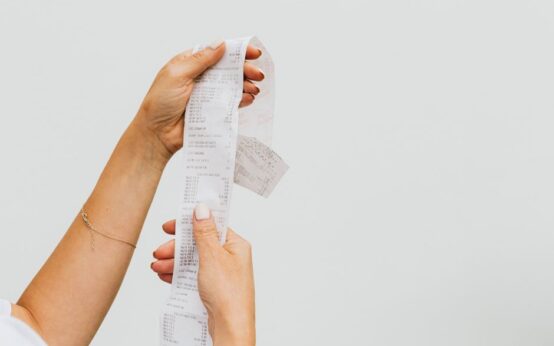


Groceries are one of the few large expenses you fully control every week. You can shrink the bill meaningfully without a single coupon, just smarter planning, sharper shopping, and far less waste.
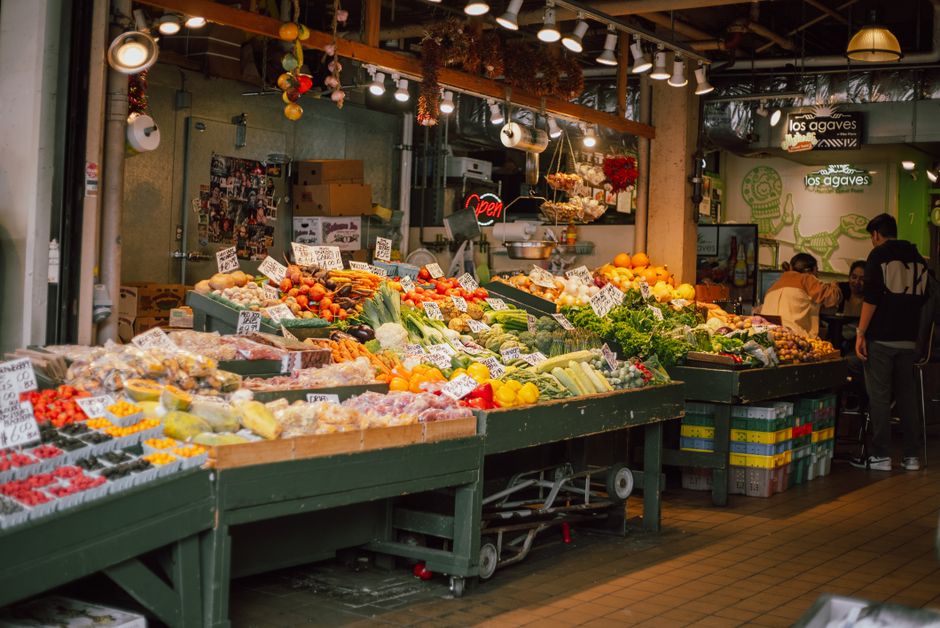
Plan Before You Shop
The most expensive trips to the store are the unplanned ones. Walking in without a list means wandering the aisles, grabbing what looks good, and building meals around impulse rather than intention. That approach quietly inflates every single receipt you bring home.
Build a rough plan for the week’s meals first, then write a list from it. Planning around a handful of overlapping ingredients keeps costs down, because a bag of onions or a bunch of herbs can anchor several dishes instead of rotting after one use in a single recipe.
Check your pantry, fridge, and freezer before you leave. Most kitchens hold more than their owners remember. Shopping your own shelves first prevents the classic waste of buying a third jar of something you already own two of, forgotten behind the taller items.
A little planning also cuts down on emergency trips, which are where budgets quietly bleed. Every unplanned run to the store for one missing item tends to end with three or four extras you never intended to buy.
Shop Strategically In the Store
Where you shop matters as much as what you buy. Store-brand products are frequently made in the same facilities as name brands and cost noticeably less. For staples like flour, rice, canned goods, and cleaning supplies, the difference is often invisible on the plate or in the pantry.
Pay attention to unit pricing rather than the sticker price. The larger package is not always cheaper per ounce, and a sale on a small size can beat the family pack. The small unit-price label on the shelf is the honest number to compare, and learning to read it saves money on every trip.
Shop the perimeter for whole ingredients and treat the center aisles carefully. Pre-cut, pre-packaged, and heavily processed foods carry a steep convenience premium. Buying a whole vegetable and cutting it yourself costs far less than buying it diced in a plastic tray for the same weight.
Never shop hungry, either. An empty stomach turns a disciplined list into a wish list, and the impulse buys that follow are almost always the pricey, processed items that inflate a receipt fastest. A small snack before you leave the house pays for itself many times over at checkout.
Cook to Stretch Ingredients
Cooking at home is already cheaper than eating out, but how you cook determines how far your groceries stretch. Meals built around beans, lentils, eggs, rice, and seasonal vegetables deliver filling nutrition at a fraction of the cost of meat-heavy plates you might default to.
Cooking in larger batches saves both money and time. A big pot of chili, soup, or a grain dish becomes several meals, reduces the temptation of expensive takeout on tired evenings, and uses ingredients efficiently before they have a chance to spoil in the back of the fridge.
Learn to cook flexibly rather than following recipes rigidly. When you can improvise a stir-fry, a frittata, or a soup from whatever is on hand, you stop letting odd leftovers go to waste and stop making emergency trips for a single missing ingredient that derails your budget.
Meatless meals a few times a week deliver some of the biggest savings of all. Meat is often the most expensive item in a cart, so building even two or three plant-based dinners into your week noticeably lowers the total without leaving anyone at the table feeling shortchanged.
Cut Waste Before It Happens
Wasted food is wasted money, plain and simple. Studies of household spending consistently show that a meaningful share of groceries ends up in the trash uneaten. Reducing that waste is like giving yourself a standing discount on everything you already buy.
Store food properly so it lasts. Knowing which produce belongs in the fridge, which stays on the counter, and how to freeze extras before they turn extends the life of what you buy and rescues food that would otherwise spoil before you got to it.
Keep a rough eye on what needs to be eaten soon and build meals around it. A quick glance at aging produce before planning dinner turns near-waste into the starting point for a meal, closing the loop between smart buying and smart cooking rather than letting good food expire.
Repurposing leftovers deliberately stretches every dollar further still. Last night’s roasted vegetables become today’s omelet, and a bit of leftover rice becomes the base of tomorrow’s lunch. Treating leftovers as ingredients rather than sad reheated meals keeps food out of the trash and money in your pocket.
Buy Seasonally and in Season
Produce prices swing dramatically with the seasons. Fruits and vegetables at their peak are cheaper, tastier, and more abundant, while out-of-season items travel far and cost more. Building meals around what is currently plentiful naturally trims the bill.
Buying nonperishable staples in larger quantities when they are cheap also helps, as long as you have the storage and will actually use them. Rice, dried beans, pasta, and canned goods keep for a long time and reward stocking up during a genuine low price.
None of these habits require clipping a single coupon. Together, planning, strategic shopping, resourceful cooking, and waste reduction can lower a grocery bill more reliably than chasing discounts ever could, and they keep working week after week.