


For a lot of women, heels live in a love-hate relationship: lovely to look at, miserable to wear, and quietly abandoned after an hour. But the idea that all heels are inherently painful is a myth that comes from wearing the wrong heels, not from heels themselves. With the right height, shape, and construction, a pair of heels can carry you through a long day or evening without leaving you limping home barefoot.
The difference between an agonizing heel and a comfortable one comes down to a handful of design features that have nothing to do with how the shoe looks on a shelf. Once you know what to look for, you can find heels that flatter and feel good, which means you’ll actually wear them. Here’s how to choose heels that prove comfort and style aren’t mutually exclusive.
Heel Height Is the First Decision
Height has the biggest impact on comfort, and the truth is that lower is almost always more wearable. A very high heel forces most of your weight onto the ball of your foot, which is what causes that burning, aching sensation after a while. A lower heel keeps your weight more evenly distributed and lets you walk naturally, which makes all the difference over a long day.
This doesn’t mean giving up on the look of a heel. A modest height still lengthens the leg and adds elegance while staying genuinely comfortable. If you love the look of more height, consider how long you’ll be on your feet and choose accordingly; a taller heel might be fine for a seated dinner but punishing for an event where you’ll stand and walk. Be honest about the occasion, and lean lower than you think you need.
The Magic of a Wider, Stable Heel
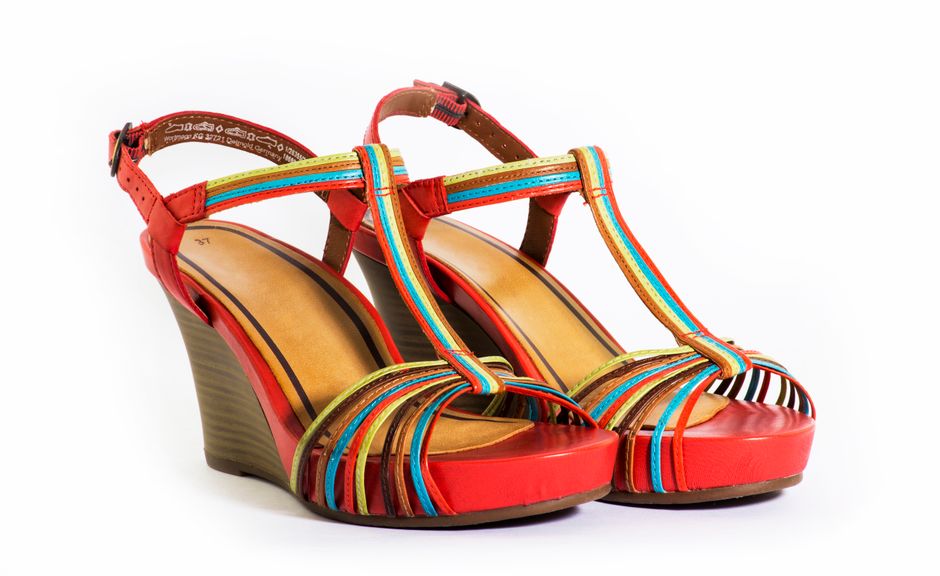
The shape of the heel matters as much as its height. A wide, stable heel like a block or a low wedge gives you a much larger base to balance on, which reduces strain and wobble dramatically. A thin stiletto, by contrast, concentrates your weight onto a tiny point and forces your muscles to work constantly to keep you steady, which is tiring and harder on your feet.
A wedge spreads your weight along the whole sole and is often the most comfortable heel of all, since it provides support under the arch rather than leaving it suspended. A block heel offers similar stability with a sleeker look. If comfort is your priority, choose a wider, lower heel and you’ll feel the difference immediately. Stability isn’t just about comfort, either; it makes you walk more confidently, which always looks better.
Support, Cushioning, and Construction
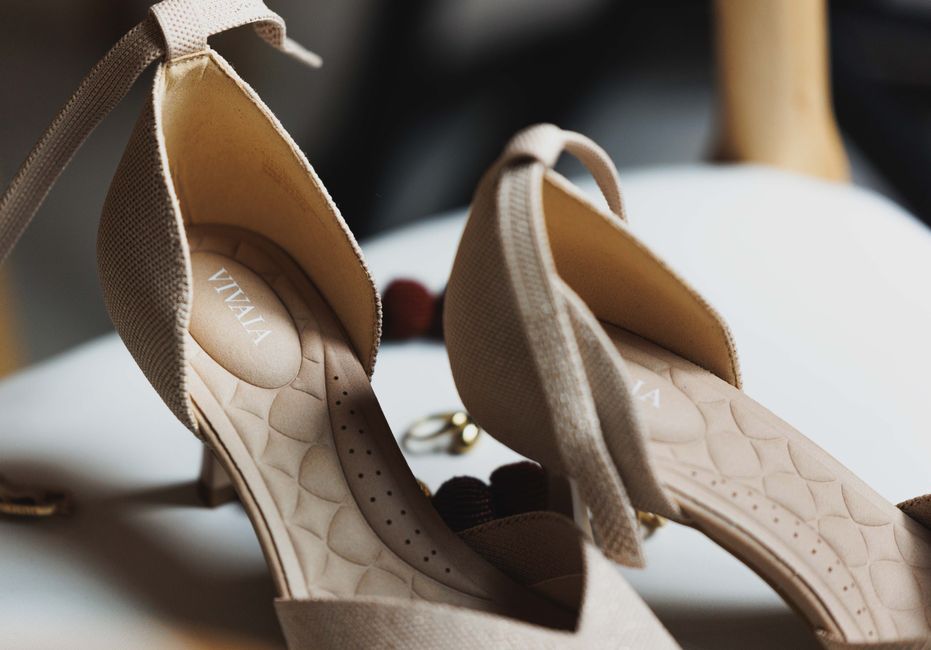
What’s happening inside the shoe matters enormously, even though you can’t see it. The best comfortable heels have real cushioning under the ball of the foot, where most of the pressure lands, and some support under the arch. A padded insole absorbs impact with every step and is one of the clearest signs a shoe was made with comfort in mind.
The materials matter too. A soft, flexible upper moves with your foot and reduces rubbing, while a stiff material creates pressure points and blisters. Look for a shoe that bends gently rather than feeling rigid, and check that the lining is smooth where it touches your skin. A well-constructed heel with cushioning, arch support, and a soft upper costs no more to look for, and it’s the difference between a shoe you wear once and one you reach for again and again.
What to Check Before You Commit
When you’re trying on heels, a few quick checks tell you whether a pair will be comfortable long before you’ve worn them out. Run through these before you decide, and you’ll avoid most of the painful surprises.
- Walk a few steps and notice whether your weight feels balanced or tipped onto your toes.
- Press the insole with your thumb to feel whether there’s real cushioning under the ball of the foot.
- Check that your heel doesn’t slip up and down as you walk, since that causes blisters.
- Make sure your toes have room and aren’t crammed into a pointed front.
- Bend the shoe gently to confirm the sole flexes rather than staying stiff as a board.
If a heel fails several of these checks, no break-in period will rescue it. A genuinely comfortable shoe feels reasonable from the very first steps, even if it needs a little wearing in. Trust what your feet tell you in the store.
Fit Details That Make or Break Comfort
Even a well-designed heel will hurt if it doesn’t fit your foot properly, so fit deserves real attention. The toe box is a common culprit: a sharply pointed shoe squeezes the toes together and causes pain no matter how low the heel is. A rounded or slightly almond-shaped toe gives your toes room and tends to be far more comfortable while still looking elegant.
Heel slippage is another telltale issue. If your heel lifts out of the shoe as you walk, the shoe is too big or poorly shaped for your foot, and that movement creates friction and blisters. A snug but not tight fit around the heel keeps the shoe secure. A strap across the foot or around the ankle also helps, because it holds your foot in place and stops it sliding forward onto the toes. Pay attention to these details and a comfortable design will actually deliver on its promise.
Style Without the Suffering
Putting it all together, the comfortable heel you’re after is likely a modest height with a wide, stable heel, a cushioned and supportive insole, a roomy toe, and a secure fit. A low block heel or a sleek wedge with a padded sole hits all of those marks and still looks polished enough for work, dinners, and events. You don’t have to choose between looking good and feeling good.
So the next time you’re tempted to dismiss heels entirely, remember that the problem was almost certainly the shoe, not the concept. Shop with these features in mind, try before you commit, and trust your feet over the display. When you find a pair that’s both flattering and genuinely comfortable, you’ll wonder why you ever suffered through the painful kind. Comfortable heels really do exist, and once you know how to spot them, they’ll become some of the most-worn shoes you own.
A few habits beyond the shoe itself can extend your comfort even further. Trying on heels later in the day, when your feet have naturally swelled a little, gives you a more honest sense of how they’ll feel during a long event. Breaking a new pair in gradually around the house, rather than wearing them straight out for hours, lets the materials soften and saves you from blisters at the worst possible moment. Small additions like gel pads under the ball of the foot or a grip insert at the heel can quietly upgrade the comfort of a shoe you already love. And there’s no rule against carrying a pair of foldable flats for the walk home or the end of a long night; even the most comfortable heels appreciate a break. With the right pair and a few smart habits, you can have the elegance of a heel and keep your feet happy at the same time, which is exactly the balance worth aiming for.