

Open most pantries and you are greeted by a jumble of half-torn bags, mismatched boxes, and clashing packaging all shouting for attention. It works, technically, but it never feels calm, and it makes finding what you need a small daily scavenger hunt. Decanting, the practice of moving dry goods out of their original packaging and into matching containers, is the quiet secret behind those serene, photo-ready pantries that seem to belong to people who have it all together.
The appeal is not only about looks, though the visual upgrade is real and immediate. A decanted, labeled pantry is genuinely easier to use, helps you keep track of what you have, and even reduces food waste. It does take a little upfront effort, but once the system is in place, it largely maintains itself. Here is how to decant and label your way to a pantry that feels calm every time you open the door.
Why Decanting Works So Well
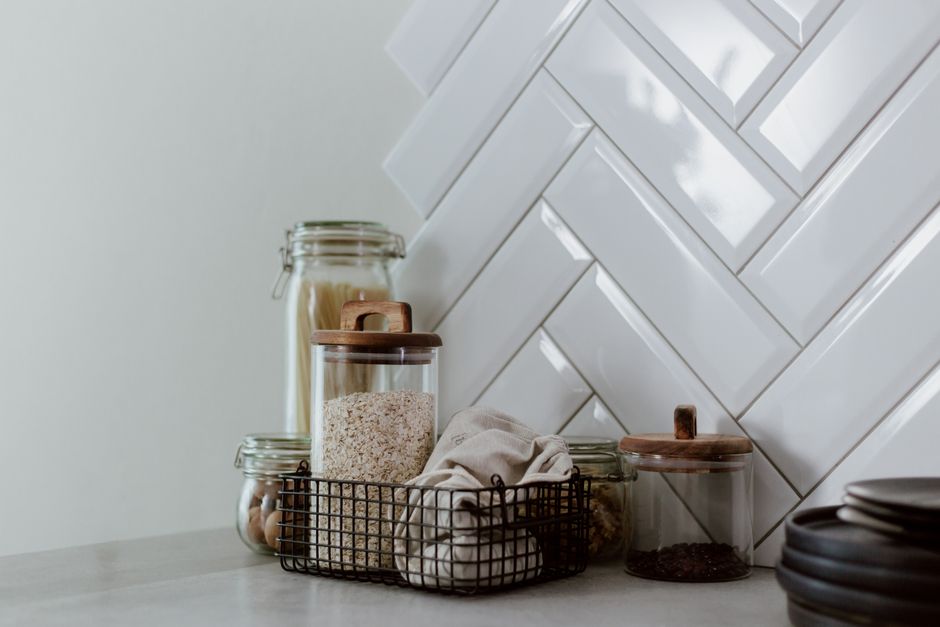
The main reason a decanted pantry feels so much calmer is uniformity. When everything lives in matching, clear containers, the visual noise of dozens of competing labels and colors disappears. Your eye sees order instead of chaos, and that sense of calm is what makes these pantries so satisfying. It is the same principle that makes a tidy desk feel better than a cluttered one.
Beyond the look, clear containers let you see exactly how much of something you have at a glance. No more discovering three open bags of the same flour or running out of rice mid-recipe because it was hidden behind a box. Decanting also tends to keep dry goods fresher, since airtight containers protect against moisture and pests far better than a folded-over bag clipped shut. The pantry becomes both prettier and more practical at once.
Choosing the Right Containers
Good containers are the foundation of the whole system, and a few qualities make all the difference. Clear containers are ideal because being able to see the contents is half the benefit, both for finding things and for noticing when you are running low. Airtight seals keep everything fresh, which is especially important for items you use slowly.
You do not need everything to match perfectly, but a degree of consistency is what creates that calm, cohesive feel. When choosing containers, keep a few things in mind:
- Shapes that stack or sit flush together to use shelf space efficiently.
- A mix of sizes to suit everything from spices to bulk grains.
- Wide openings so a measuring cup or scoop fits inside easily.
- Square or rectangular shapes, which fit shelves better than round ones.
- Durable, easy-to-clean materials that will hold up to daily use.
Start with the items you reach for most rather than trying to decant the entire pantry at once. Building the system gradually is far less daunting and lets you learn what container sizes you actually need.
The Art of Clear Labeling
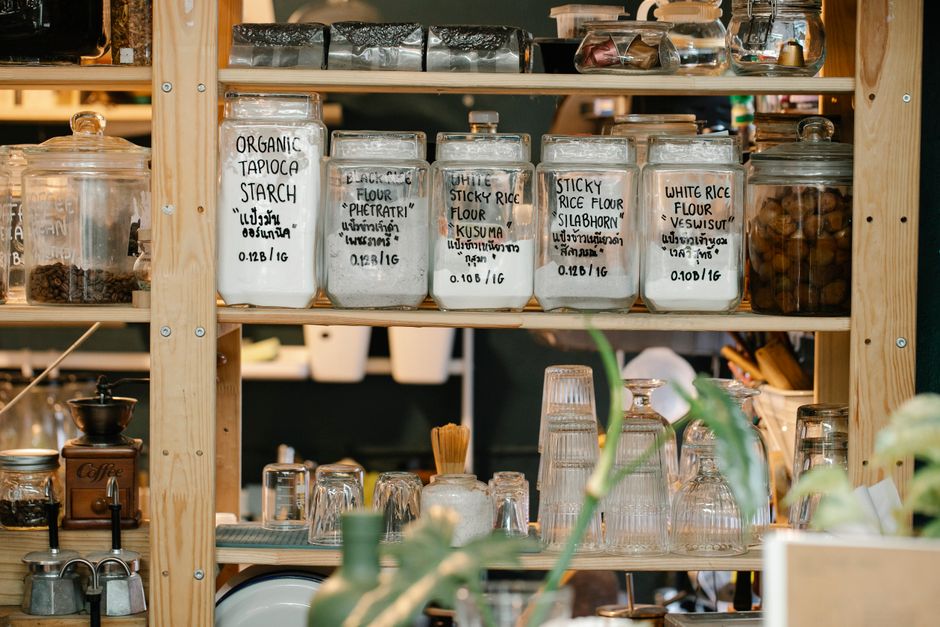
Decanting without labeling can backfire, because once foods leave their original packaging, similar-looking items become hard to tell apart. Flour and powdered sugar, for instance, are easy to confuse. Clear, consistent labels solve this and add to the polished, intentional feel of the whole pantry. They turn a collection of jars into a system anyone in the household can use and maintain.
Keep your labels simple and legible. A consistent style, whether handwritten in a tidy hand or printed, ties everything together and looks far cleaner than a mix of approaches. Place labels in the same spot on each container, usually centered on the front, for a uniform look. The goal is that anyone can open the pantry and instantly know where everything is and what each container holds.
Do Not Lose the Important Information
One genuine drawback of decanting is that you toss the original packaging, and with it the cooking instructions and the all-important expiration dates. A little planning prevents this from becoming a problem. The simplest fix is to add the expiration date to your label, either writing it on or noting it on the back, so you always know how fresh an item is.
For products with cooking instructions you rely on, such as certain grains or mixes, snip the instructions from the original package and tape them to the back of the container or tuck them inside a small folder in the pantry. It takes a few extra seconds when you decant, but it saves you from guessing later. This small habit means you get all the beauty of decanting without losing the practical information you actually need.
Set Up Zones and Maintain the System
A truly calm pantry is also a logically organized one. Once your goods are decanted and labeled, group similar items together into zones, such as baking supplies on one shelf, snacks on another, and grains and pastas in their own spot. Keeping the things you use daily at eye level and the occasional items up high or down low makes the whole space more intuitive.
The real test of any organizing system is whether it survives a busy week, and decanting passes because it is genuinely easy to keep up. When you finish a bag of something, refill its container and recycle the packaging right away. Keep a couple of empty containers on hand for new staples. Because everything has a clear, designated home, putting groceries away becomes faster and almost automatic, and the pantry stays calm without much ongoing effort.
Adding a few risers, turntables, or shallow bins to the mix takes the system even further. A turntable in a corner brings hard-to-reach jars to your fingertips with a spin, while a riser lets you see the containers stacked behind the front row. Small bins group loose items like packets and snacks so they do not scatter across the shelf. These simple additions work alongside your decanted containers to keep every part of the pantry visible and within reach, which is ultimately what keeps the whole space feeling effortless.
Start Small and Enjoy the Calm
You do not need to overhaul your entire pantry in a single weekend to enjoy the benefits. Begin with one shelf or one category, like your baking staples or your most-used grains, and let the system grow from there as you find containers and time. Even a partially decanted pantry feels noticeably more orderly, and the progress is motivating.
It is also worth being realistic about what is worth decanting in the first place. Staples you use constantly and buy in similar forms each time, like flour, sugar, rice, pasta, oats, and coffee, are the clear winners, because they justify the container and benefit most from the airtight storage. Items you buy rarely, in odd shapes, or in their own attractive packaging may not be worth the effort, and forcing everything into jars can actually create more work than calm. Decant the things that earn it, and let the rest live in their original packaging on a designated shelf.
What you end up with is more than a prettier cupboard. It is a space that lowers the friction of cooking, helps you waste less food, and offers a small dose of calm every time you reach for an ingredient. Decanting and labeling reward a bit of upfront effort with a pantry that stays serene and functional long after the initial work is done.